
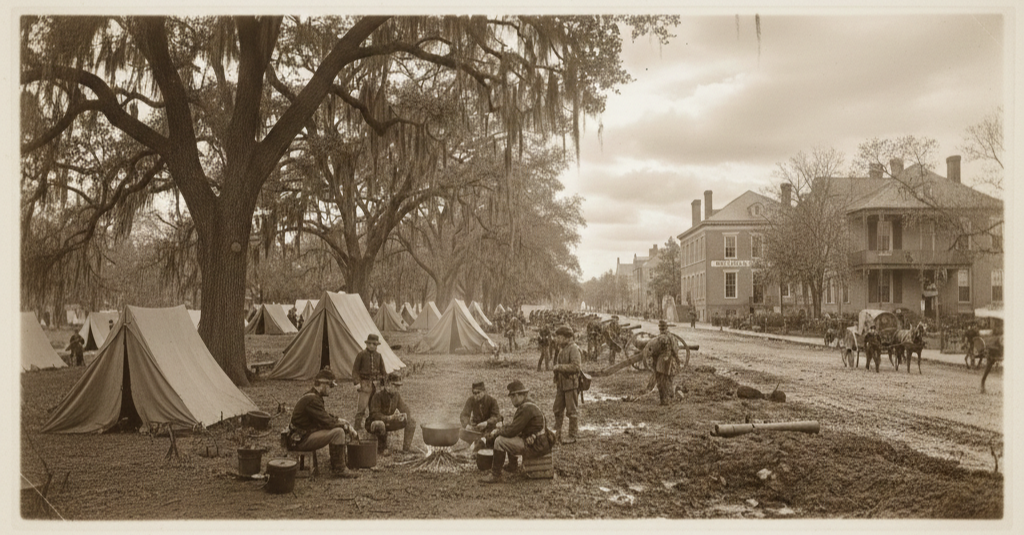
The air in Savannah hangs heavy, a humid embrace scented with jasmine and the subtle salt of the nearby sea. It’s a city of whispers, where every cobblestone seems to hold a secret, every wrought-iron balcony a story. You walk these historic streets, bathed in the dappled sunlight filtering through ancient live oaks, their limbs draped in cascades of Spanish moss, and it’s easy to feel transported. But what if I told you that beneath this picturesque charm, a different kind of history pulses, a raw and powerful narrative etched into the very soul of the city?
Savannah, a jewel of the antebellum South, stood at a precarious crossroads during the American Civil War. It wasn’t just a backdrop for grand houses and elegant soirées; it was a city braced for impact, a strategic prize, and ultimately, a witness to the devastating march of war. For those who seek to truly understand Savannah, to feel the tremor of its past, we must peel back the layers of time and listen to the echoes of that turbulent era.
magine, if you can, the vibrant hubbub of Savannah in the early 1860s. The bustling port, alive with the cries of stevedores and the creak of ship timbers, was a lifeline of commerce, funneling cotton to European mills and importing goods to the burgeoning Confederacy. The grand homes along Gaston Street and Forsyth Park, now monuments to architectural beauty, once thrummed with the anxieties and fervent loyalties of their inhabitants. The air, usually thick with the aroma of magnolia and the distant chime of church bells, began to carry a new, unsettling current: the drumbeat of secession.
Georgia, a state deeply entrenched in the agrarian economy reliant on enslaved labor, cast its lot with the Confederate States of America in January 1861. Savannah, with its strategic harbor and rail connections, immediately became a vital military asset. Fort Pulaski, a magnificent brick fortress guarding the mouth of the Savannah River, was quickly seized by Georgia state troops, a symbolic act that signaled the city’s commitment to the Southern cause.
The Grip of the Anaconda Plan
But the war, initially a distant rumble, soon drew closer. The Union’s Anaconda Plan, designed to strangle the Confederacy economically, targeted key Southern ports, and Savannah was high on the list. The Union blockade, a relentless naval presence off the coast, began to choke the city’s once-thriving trade. The scarcity of goods, the rising prices, and the constant threat of attack became the new rhythm of daily life. The sweet tea and pecan pie of ordinary existence were now seasoned with fear and uncertainty.
The Siege of Fort Pulaski
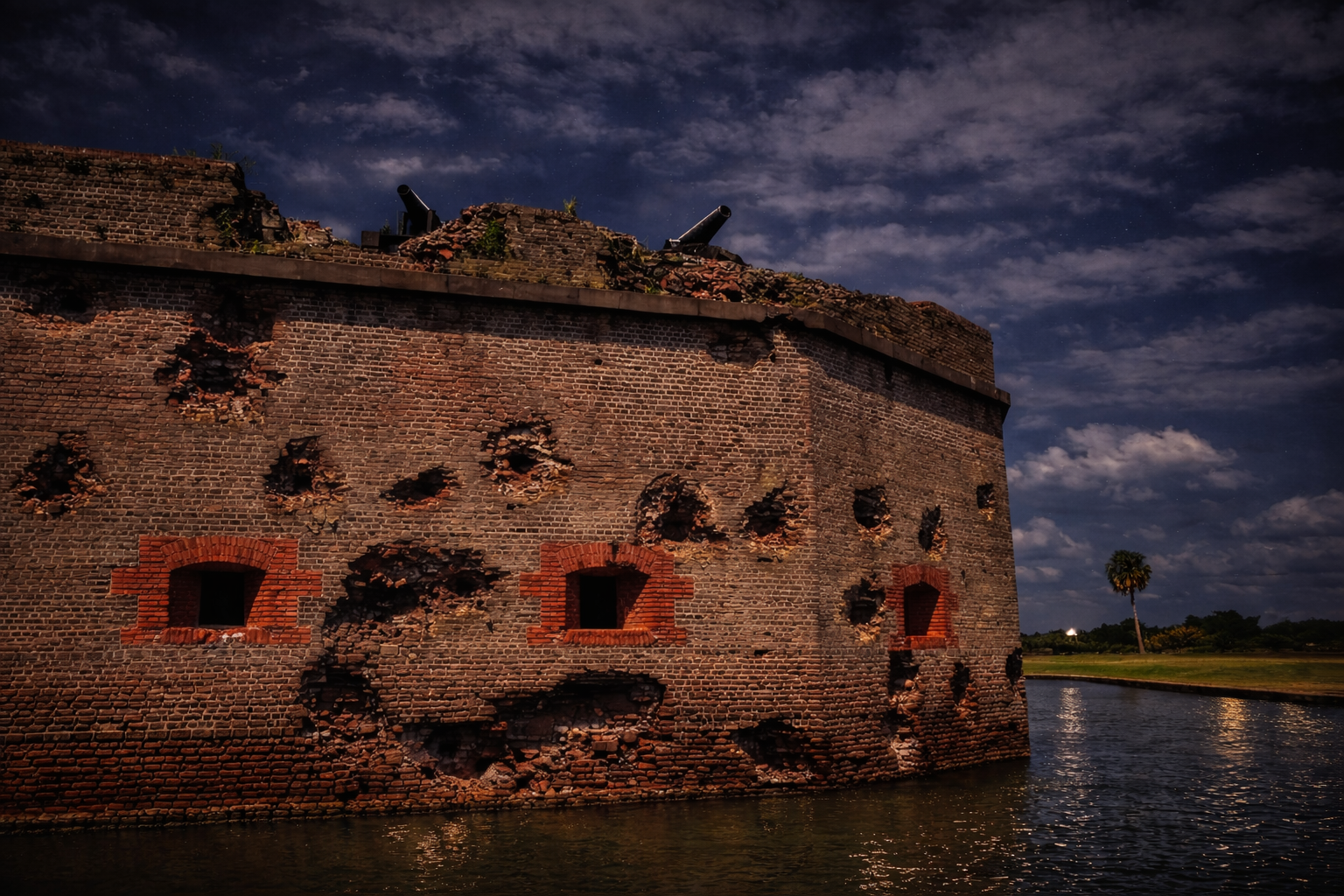
The first major blow to Savannah’s defenses came in April 1862, with the Battle of Fort Pulaski. Union forces, under the command of General Quincy A. Gillmore, employed a revolutionary new tactic: rifled artillery. For thirty hours, the massive brick walls of Fort Pulaski, once thought impregnable, were pounded relentlessly. The thunderous roar of cannons, the acrid smell of gunpowder, and the splintering of brick must have been a terrifying symphony echoing across the water.
Imagine the frantic efforts of the Confederate defenders, their hope slowly eroding with each shattering impact. The fort, a symbol of Southern strength, eventually surrendered, marking a significant Union victory and effectively closing the port of Savannah to blockade runners. The city, though not directly occupied, felt the sting of this loss acutely.
Resilience Amidst the Shadow of War
The subsequent years saw Savannah living under a constant shadow. The blockade tightened its grip, and the city, once so prosperous, began to feel the pinch of wartime rationing and dwindling resources. Yet, the spirit of its citizens remained defiant. Women organized aid societies, tended to the wounded in makeshift hospitals, and supported the troops in any way they could. The grand public squares, now so tranquil, once witnessed drills and parades of young men in Confederate gray, their determined faces reflecting the hopes and fears of a nation at war. The stories whispered through the generations speak of resilience, hardship, and a community bound together by a shared struggle.
Sherman’s March and the Coastal Panic
But the most dramatic chapter in Savannah’s Civil War narrative arrived in December 1864, with the thunderous approach of General William Tecumseh Sherman’s Union army. Sherman’s “March to the Sea,” a devastating campaign across Georgia aimed at crippling the Confederacy’s will to fight, brought war directly to Savannah’s doorstep. For weeks, rumors had swirled, carried on the wind like embers, of Sherman’s destructive path. Plantations burned, railroads twisted into “Sherman’s neckties,” and a landscape once lush with cotton fields lay scorched and barren. The anxiety in Savannah must have been palpable, a collective holding of breath as the inexorable march continued.
The Final Stand and Evacuation
Imagine the tension as news arrived of Sherman’s forces fanning out around the city. The clang of church bells, usually a call to prayer, now served as an alarm. Confederate defenders, vastly outnumbered and weakened, prepared for a final, desperate stand. The air would have been thick with the smell of woodsmoke and the distant sound of marching boots. From the ramparts of hastily constructed earthworks, Confederate soldiers would have gazed out at the approaching Union lines, a sea of blue uniforms stretching as far as the eye could see.
General William Hardee, commanding the Confederate forces in Savannah, knew the city could not withstand a direct assault. Facing overwhelming odds and fearing the destruction of Savannah’s historic buildings and its civilian population, Hardee made a difficult decision. On December 20, 1864, under the cloak of darkness, the Confederate troops quietly evacuated the city, slipping across the Savannah River on a pontoon bridge.
A Christmas Gift for Lincoln
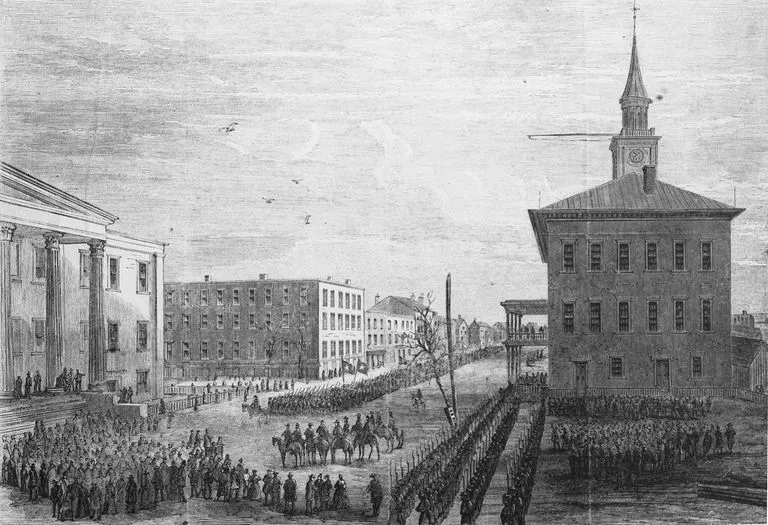
The next morning, December 21st, 1864, Sherman’s troops marched unopposed into Savannah. The city held its breath. Would it suffer the same fiery fate as Atlanta? Would its elegant homes and vibrant squares be reduced to ashes? To the immense relief of its inhabitants, Sherman spared Savannah. He famously offered the city to President Abraham Lincoln as a “Christmas gift.”
The reasons for this act of mercy are debated by historians – some suggest its strategic value as a port, others credit the city’s beauty, and still others point to the effective diplomacy of local leaders. Regardless of the exact motivations, Savannah was spared the torch, emerging from the war largely intact, though profoundly changed.
Liberation and the New Silence
The occupation brought a new kind of silence to the city, one filled with the unfamiliar sounds of Union patrols and the sight of Federal flags flying overhead. For the enslaved people of Savannah, Sherman’s arrival represented a dramatic and long-awaited liberation. The jubilant celebrations, the cries of freedom, and the reunification of families must have created an entirely different soundscape, a powerful counterpoint to the quiet despair of many white residents. The scent of freedom, long suppressed, finally wafted through the streets.
The war officially ended a few months later in April 1865, but Savannah, like the rest of the South, faced a long and arduous path to reconstruction. The economic engine of the city was shattered, its social fabric torn, and the psychological scars of war ran deep. Yet, Savannah, with its characteristic resilience, began the slow process of healing and rebuilding.
Discovering the Hidden History
Today, as you stroll through Savannah’s historic district, it’s impossible not to feel the echoes of this tumultuous period. The very architecture, the layout of the squares, the defensive positions along the river – all bear witness to the conflict. It’s a history that isn’t always shouted but is subtly woven into the very fabric of the city, waiting to be discovered by those who seek it.
Civil War Sites in and Near Savannah: A Journey Through Time
For those eager to delve deeper into Savannah’s Civil War past, there are numerous sites that offer a tangible connection to this pivotal era. These locations are not merely historical markers; they are windows into the lives, struggles, and triumphs of those who lived through the conflict.
- Fort Pulaski National Monument: Located about 15 miles east of Savannah, Fort Pulaski is perhaps the most significant Civil War site in the area. This impressive brick fort, a marvel of 19th-century engineering, stood guard over the Savannah River until it fell to Union forces in 1862. Walk the ramparts, explore the casemates, and imagine the deafening roar of cannons during the siege. The pristine natural surroundings also offer a glimpse of the undeveloped coastline that played such a crucial role in the Union blockade. The fresh, salty air here carries the whisper of battles past.
- Old Fort Jackson: Situated just east of downtown Savannah on the banks of the Savannah River, Old Fort Jackson is Georgia’s oldest standing brick fortification. While primarily dating back to the War of 1812, it played a vital role in Confederate defenses during the Civil War, guarding the river approach to the city. Its earthen walls and cannons offer a stark contrast to Fort Pulaski’s more elaborate design, representing a different era of military architecture. You can almost feel the tremors of passing ships from its historic vantage point.
- Green-Meldrim House: Located on Madison Square, the Green-Meldrim House is a stunning example of Gothic Revival architecture and holds a unique place in Civil War history. This magnificent mansion served as General William T. Sherman’s headquarters during his occupation of Savannah in December 1864. Imagine Sherman and his officers strategizing in its grand rooms, the fate of Savannah hanging in the balance. The intricate details of the interior and exterior offer a stark contrast to the grim realities of war.
- Bonaventure Cemetery: While not a direct battlefield, Bonaventure Cemetery, with its haunting beauty and ancient live oaks, is a powerful repository of Savannah’s past, including its Civil War history. Many Confederate soldiers, as well as prominent citizens who lived through the war, are laid to rest here. A walk through its serene pathways reveals ornate monuments and weathered headstones, each telling a silent story of loss, remembrance, and the passage of time. The rustle of Spanish moss often feels like a hushed conversation among the departed.
- Confederate Monument in Forsyth Park: Dominating the southern end of Forsyth Park, this towering monument commemorates the Confederate soldiers who fought in the Civil War. It stands as a focal point for reflection on the profound impact of the war on Savannah and the South. The sheer scale of the monument invites contemplation of the lives it represents.
- Savannah History Museum: Housed in the old Central of Georgia Railway passenger depot, the Savannah History Museum offers a comprehensive overview of the city’s past, including a dedicated section on the Civil War. Exhibits feature artifacts, photographs, and detailed narratives that bring the wartime experience to life. It’s an excellent starting point for understanding the broader context of Savannah’s role in the conflict.
- Juliette Gordon Low Birthplace: While primarily known as the birthplace of the founder of the Girl Scouts, this historic home on Lafayette Square offers insights into antebellum Savannah life and the experiences of a prominent family during the war. Juliette Gordon Low’s mother, Eleanor Kinzie Gordon, famously documented the hardships and social changes brought by the conflict.
- Factors Walk / River Street: Imagine this bustling area during the war, its warehouses storing cotton destined for Europe (before the blockade) and later, goods brought in by blockade runners. While the specific buildings may have changed, the historic cobblestones and the strategic location along the river evoke the economic lifeblood of Savannah during the conflict. The scent of the river, the cry of gulls, and the distant rumble of ships are timeless elements connecting you to the past.
Visiting Civil War Sites in Savannah: A Self-Guided Immersion
Exploring Savannah’s Civil War sites is an incredibly rewarding experience, offering a tangible connection to history that simply reading about it cannot provide. Here are some tips for making the most of your visit:
Tips for an Authentic Experience
- Plan Your Itinerary: Savannah’s historic district is wonderfully walkable, making many of the downtown Civil War sites easily accessible on foot. For sites further afield like Fort Pulaski, you’ll need transportation. Consider grouping sites geographically to optimize your time.
- Embrace Self-Guided Tours: Many of the sites, especially the downtown ones, are perfect for self-guided exploration. This allows you to linger where you wish and soak in the atmosphere at your own pace. For an enhanced experience, look for self-guided tours in Savannah that focus on the Civil War.
- Practical Advice: Wear comfortable shoes; Savannah’s charming cobblestone streets and historic pathways are best navigated in supportive footwear. Stay hydrated, especially during the warmer months.
- Respect the History: These sites are places of profound historical significance. Be respectful of the monuments, the natural environment, and the narratives they represent.
- Allow for Reflection: Don’t rush through the sites. Take a moment to pause, to imagine the scenes that unfolded there, and to reflect on the impact of the Civil War on Savannah and its people. The quiet moments of contemplation are often the most powerful.
- Beyond the Downtown: Remember to venture beyond the immediate downtown area to places like Fort Pulaski. The contrast between the urban sites and the more natural, defensive fortifications offers a fuller picture of the conflict.
The Unseen Story: Why Savannah’s Civil War History Matters
The Civil War in Savannah wasn’t just a series of dates and battles; it was a deeply human experience. It was the anxiety etched on a mother’s face as her son marched off to war, the quiet determination of enslaved people dreaming of freedom, the gnawing hunger of a city under blockade, and the profound relief mixed with uncertainty when Sherman’s army arrived.
Understanding this history isn’t about glorifying conflict or romanticizing a painful past. It’s about acknowledging the complex forces that shaped this beloved city and the nation. It’s about recognizing the resilience of its people, the courage of those who fought, and the seismic societal shifts that forever altered the landscape of the South.
As you wander Savannah’s charming squares, feel the smooth texture of its cobblestones, and breathe in its fragrant air, remember that beneath the beauty lies a powerful story, waiting to be heard. The whispers in the Spanish moss carry the echoes of cannons, the rustle of silk gowns, the determined tramp of soldiers, and the joyous cries of newly freed souls.
Answer the Call of History: Take the Savannah Civil War Trail
Are you ready to truly connect with the dramatic story of Savannah during the Civil War? Do you want to walk in the footsteps of soldiers, citizens, and liberators, hearing the captivating narratives that shaped this iconic city?
Then it’s time to answer the call of history. We invite you to experience the Savannah Civil War Trail by Destination Footsteps.
Destination Footsteps specializes in crafting immersive and engaging history tours in Savannah, and their Civil War Trail is a meticulously researched journey designed to bring the past to life. If you’re interested in self-guided tours in Savannah, Destination Footsteps offers the perfect way to explore.
Imagine standing on the same ground as General Sherman, feeling the weight of history on your shoulders. Picture the anxious faces of Savannah residents as they awaited his arrival. Envision the strategic defenses along the river, guarding the city’s lifeblood. The Savannah Civil War Trail by Destination Footsteps will guide you through these pivotal locations, sharing compelling stories and historical insights that will deepen your appreciation for this incredible city.
Don’t just see Savannah; feel its history. Book your Civil War tour in Savannah with Destination Footsteps today and embark on an unforgettable journey through time. Let the echoes in the Spanish moss guide your way.